
Blog
what do you learn in pickleball lesson


Unlocking the Court: What You Learn in a Pickleball Lesson
Pickleball, the vibrant sport that combines elements of tennis, badminton, and table tennis, has taken the world by storm, attracting players of all ages and skill levels. As enthusiasts flock to courts equipped with paddles and colorful balls, a common question arises: what exactly can you expect to learn in a pickleball lesson? Beyond just the basics of serving and scoring, lessons are designed to foster a deeper understanding of the game, enhance your skills, and cultivate a love for this dynamic sport. From mastering the art of the third shot drop to developing strategic gameplay techniques,each lesson offers unique insights that can elevate your experience on the court. Join us as we explore the essential elements and valuable knowledge that await participants eager to embrace the exhilarating world of pickleball.
Table of Contents
- Understanding the Fundamentals of Pickleball Techniques
- Mastering the art of serve and Return
- Developing Strategic Gameplay and Court Positioning
- Enhancing Agility and Footwork for Better Performance
- Building Mental Resilience and Sportsmanship
- Navigating Playing Styles and Partner Dynamics
- Q&A
- In Conclusion
Understanding the Fundamentals of Pickleball Techniques
Mastering the core techniques of pickleball is essential for any player looking to improve their game. Lessons often focus on grip and stance, as these foundational elements substantially influence shot accuracy and power.Players will learn about different types of grips, including the continental grip for versatile shots and the Eastern grip for a more powerful forehand. Additionally, instructors teach how to position your feet and body when preparing for various types of shots to ensure balance and stability.
shot selection is another critical component covered in lessons. Understanding when to use a dink, smash, or drop shot can turn the tide of a match. Instructors will explain the nuances of each shot, guiding players through various scenarios where each is appropriate. Players often engage in drills that help solidify their understanding of shot strategies and teach them to anticipate their opponent’s moves. This strategic mindset is what elevates an average player into a competitive one.
learning to play as a team is a vital aspect of the game. While many are accustomed to singles play,understanding doubles dynamics can enhance on-court dialog and teamwork.This includes positioning strategies, such as the I-formation, where players adapt their formations based on their opponents’ weaknesses.Through practice and guided scenarios, players develop a synergy that can create scoring opportunities.
Mastering the Art of Serve and Return
in any pickleball lesson, a significant focus is placed on the essential exchange of serve and return. This foundational skill not only sets the tone for gameplay but also enhances overall strategy on the court.To master this aspect, players must understand the dynamics involved, including their positioning, paddle grip, and stroke technique.Practicing the perfect serve involves consistent repetition and fine-tuning, ensuring that the ball is placed where it can challenge the opponent while remaining within the lines.
Equally significant is the return, which can dictate the pace of the rally.Triumphant returns require awareness of the server’s tendencies and the ability to predict shot placement. Players are encouraged to develop a keen sense of timing and positioning, enabling them to react effectively to various serves. Key techniques often emphasized during lessons include:
- Footwork: Staying light on your feet to respond quickly.
- Paddle Angle: Adjusting the angle for different types of returns.
- Shot Selection: Choosing the best option based on the serve’s speed and placement.
to aid in mastering these skills, drills and exercises play a critical role in reinforcing muscle memory and enhancing mental focus. Players might engage in partnered drills that crank up the intensity while providing diverse scenarios mimicking in-game situations. Below is a simple table that outlines common drills used in lessons to improve serve and return:
| Drill Name | Purpose | Duration |
|---|---|---|
| Target serving | Precision and placement practice | 10 minutes |
| Partner Returns | Improving reaction time | 15 minutes |
| backspin Practice | Developing spin control | 10 minutes |
Developing Strategic Gameplay and Court Positioning
One of the critical aspects of pickleball is mastering the art of strategic gameplay, which involves a deep understanding of both offensive and defensive positioning.During lessons, players learn to communicate effectively with their partners, allowing for coordinated movements that can surprise opponents. By focusing on the placement of their shots, players can create angles that not only put pressure on their rivals but also open up the court for potential winning shots. The objective is to learn how to analyze the game quickly and pivot tactics based on the flow of play.
In terms of court positioning, understanding where to stand relative to your partner and the opponents is vital for maximizing court coverage.Players are taught various formations, such as the “two-back” or “one-up, one-back” system, which can be modified based on the strengths and weaknesses of both teammates and opponents. By mastering these formations, players can efficiently manage the court space and respond to fast-paced rallies. Key concepts include:
- Proximity to the net: Knowing when to advance and when to retreat.
- Anticipating opponent’s shots: Positioning to intercept or defend effectively.
- Coverage responsibilities: Clarifying who takes which shots during play.
To further enhance gameplay, court positioning drills are often incorporated into lessons, allowing players to practice moving in sync with their partners while maintaining awareness of their surroundings.These drills can be structured in a variety of ways,such as timed movement exercises or situational gameplay scenarios. Tracking progress and learning from mistakes are encouraged through reflective practices and feedback, establishing a growth mindset that is crucial for improvement. Here’s a simple comparison of effective and ineffective positioning:
| Effective Positioning | Ineffective Positioning |
|---|---|
| Quick lateral movements to cover the court | Static positioning, limited movement |
| Strategic placement to create angles | Random shot placement, easy for opponents to predict |
| Active communication with teammates | Lack of communication leading to confusion |
Enhancing Agility and Footwork for Better Performance
In pickleball, agility and footwork are crucial components that can significantly impact your overall performance on the court. Mastering quick lateral movements and swift directional changes is essential for keeping up with your opponent’s shots. Through focused drills, players learn to enhance their *importance of body positioning* and develop a keen sense of timing. This, in turn, creates opportunities to execute powerful returns and defend against powerful smashes.
During lessons, participants frequently enough engage in various exercises that target foot speed and coordination. These may include:
- Shuttle Runs: Boosts cardiovascular fitness and quickens lateral movements.
- Ladder Drills: Improves footwork precision and enhances overall coordination.
- shadow Drills: Develops anticipation skills and quick rebound reactions.
These activities not only strengthen muscle memory but also build confidence on the court. Players begin to realize that effective movement is not just about speed; it’s about being in the right place at the right time.
To track your progress, consider using a simple evaluation table to monitor agility and footwork improvements throughout your lessons:
| Drill | initial Performance | current Performance |
|---|---|---|
| Shuttle Runs | 15 seconds | 10 seconds |
| Ladder Drills | Slow | Fluid |
| Shadow Drills | Delayed Reaction | Quick Reflexes |
This reflection allows players to visualize their advancement and set future goals.Continuous improvement in agility and footwork is not only vital for better performance but also brings a greater sense of enjoyment and satisfaction to the game.
Building Mental Resilience and Sportsmanship
Engaging in pickleball goes beyond just acquiring technical skills—it’s an opportunity to cultivate mental resilience and develop a strong sense of sportsmanship. These qualities are essential not only on the court but in every aspect of life. The unpredictable nature of the game forces players to adapt quickly to various situations, teaching them to remain calm under pressure. With each rally, players learn to manage their thoughts and emotions effectively, fostering a mindset that embraces challenges rather than shying away from them.
During lessons, participants are often encouraged to reflect on their performance, which involves recognizing both strengths and weaknesses. This practice builds an importent aspect of resilience: the ability to learn from failure. As players navigate through mistakes and victories alike, they begin to see setbacks as stepping stones towards improvement. The emphasis on continuous growth cultivates a growth mindset, allowing individuals to bounce back stronger, with a deeper understanding of their capabilities and potential.
Furthermore, the spirit of sportsmanship is instilled in every game played, where the focus shifts from mere competition to mutual respect among players. Key principles of sportsmanship include:
- Respect: Acknowledging opponents and their skills.
- Integrity: Playing fairly and with honesty.
- Graciousness: Handling victory and defeat with poise.
By internalizing these values, players not only elevate their own game but also contribute to a positive and encouraging environment for others. Embracing challenges with resilience and exhibiting sportsmanship fosters strong, lasting connections both on and off the court, enriching the overall pickleball experience.
Navigating Playing Styles and Partner Dynamics
In the dynamic world of pickleball, understanding different playing styles is crucial for effective game strategy and personal development. Players often fall into various categories such as aggressive, defensive, or all-around.Recognizing your playing style enhances your ability to capitalize on strengths while addressing weaknesses. By the end of your lessons, you’ll not only identify your style but also learn to adapt to the styles of your opponents. This adaptability can turn the tide in tightly contested matches.
Partner dynamics play a pivotal role in team success.Whether you are a beginner or an experienced player, learning to communicate effectively and read your partner’s cues can significantly improve teamwork. Activities in lessons frequently enough include exercises aimed at fostering these skills, allowing you to create synergy on the court. As a notable example, you might practice set plays or engage in drills that reinforce trust and understanding. this collaborative spirit is essential for not only winning but also enhancing your enjoyment of the game.
To illustrate the key elements of partner dynamics, here’s a quick overview of the roles that players might adopt during a match:
| Role | Description |
|---|---|
| Setter | Focuses on positioning to assist partner in scoring points. |
| Defender | Primarily responsible for returning shots and maintaining court control. |
| Attacker | Looks for aggressive opportunities to finish rallies quickly. |
By understanding these roles and working on ways to communicate and support one another, players can develop a more cohesive team mentality. Each lesson not only equips you with skills but also emphasizes the importance of strategic partnerships, ensuring both players contribute to the overall success of the team.
Q&A
Q&A: What Do You Learn in a Pickleball Lesson?
Q1: What is pickleball, and why consider taking lessons?
A1: Pickleball is a dynamic paddle sport that blends elements of tennis, badminton, and table tennis.It’s accessible to players of all ages and skill levels. Taking lessons helps beginners grasp the basics, while experienced players can refine their strategies and techniques.Ultimately,lessons can enhance your game and elevate your enjoyment of the sport!
Q2: What foundational skills are covered in a pickleball lesson?
A2: In your first lesson,you’ll learn essential skills like the grip,stance,and footwork. Instructors often emphasize proper paddle handling and the fundamental strokes—forehand, backhand, volleys, and serves. Understanding these basics sets the stage for developing your unique playing style.
Q3: Do lessons focus on strategy, or is it just about technique?
A3: Great question! While technique is crucial in pickleball, strategy plays an equally vital role in successful gameplay.Instructors will teach you positioning, shot selection, and how to read your opponents. These strategic insights can help you make smarter choices during matches.
Q4: Will I get to practice with other players in lessons?
A4: Yes, most pickleball lessons involve a combination of instruction and practice. You’ll often play with classmates, which fosters a sense of camaraderie and helps you apply what you’ve learned in real-game scenarios. It’s a fantastic way to meet fellow players and have fun while learning!
Q5: Are there specific court rules or etiquette I’ll learn about?
A5: Absolutely! Understanding the rules of the game and proper court etiquette is essential for any player. Your instructor will cover the basic rules surrounding scoring, faults, and the importance of calling out potential disturbances on the court.
Q6: Is fitness a component of pickleball lessons?
A6: Yes, pickleball can be an excellent workout! Many lessons incorporate footwork drills and exercises that enhance your agility, coordination, and overall fitness. Your instructor may also provide tips on how to maintain a strong physical condition tailored to the demands of the sport.
Q7: What can I expect to feel after my first lesson?
A7: After your first lesson, you’ll likely feel a mix of exhilaration and perhaps a bit of soreness! Pickleball is engaging, and the energy on the court is contagious. You might also feel a renewed sense of motivation to practice and improve, alongside newfound friends who share your passion!
Q8: How can I continue to improve after completing lessons?
A8: Learning never stops! Continue playing with friends or joining local leagues for practical experience. Watching instructional videos, attending workshops or clinics, and getting feedback from more experienced players can also enhance your growth. The key is to keep enjoying the game while consistently challenging yourself!
In Conclusion
As you take your final swings in the world of pickleball lessons, it becomes clear that this sport offers much more than just a chance to whack a ball across a net. The skills you’ve honed—strategic thinking, teamwork, and hand-eye coordination—extend beyond the court, enriching your daily life. whether you’re a beginner eager to learn the fundamentals or a seasoned player looking to refine your techniques, each lesson serves as a stepping stone toward both personal growth and enhanced enjoyment of the game. So grab your paddle, step onto the court with confidence, and remember: with every game played and every skill acquired, you’re not just learning to play pickleball, but also to embrace a vibrant community and a spirited lifestyle. Happy playing!
Related Posts
don woodfield pickleball pinehurst resort
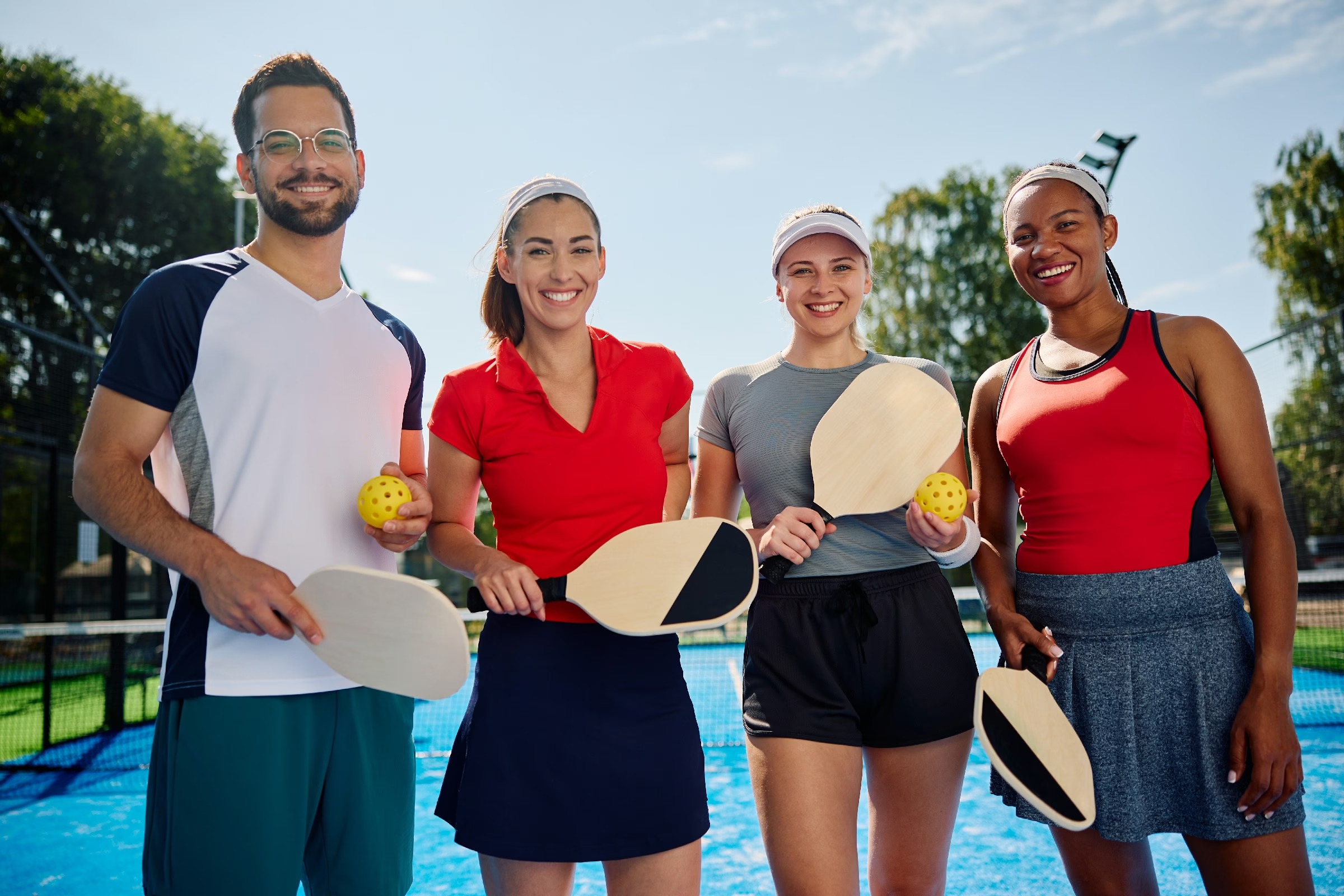
At Pinehurst Resort, Don Woodfield brings the energetic spirit of pickleball to life. Nestled amidst scenic landscapes, his passion for the game fosters a vibrant community where players of all levels can sharpen their skills and enjoy friendly competition.
how to spin the ball for pickleball
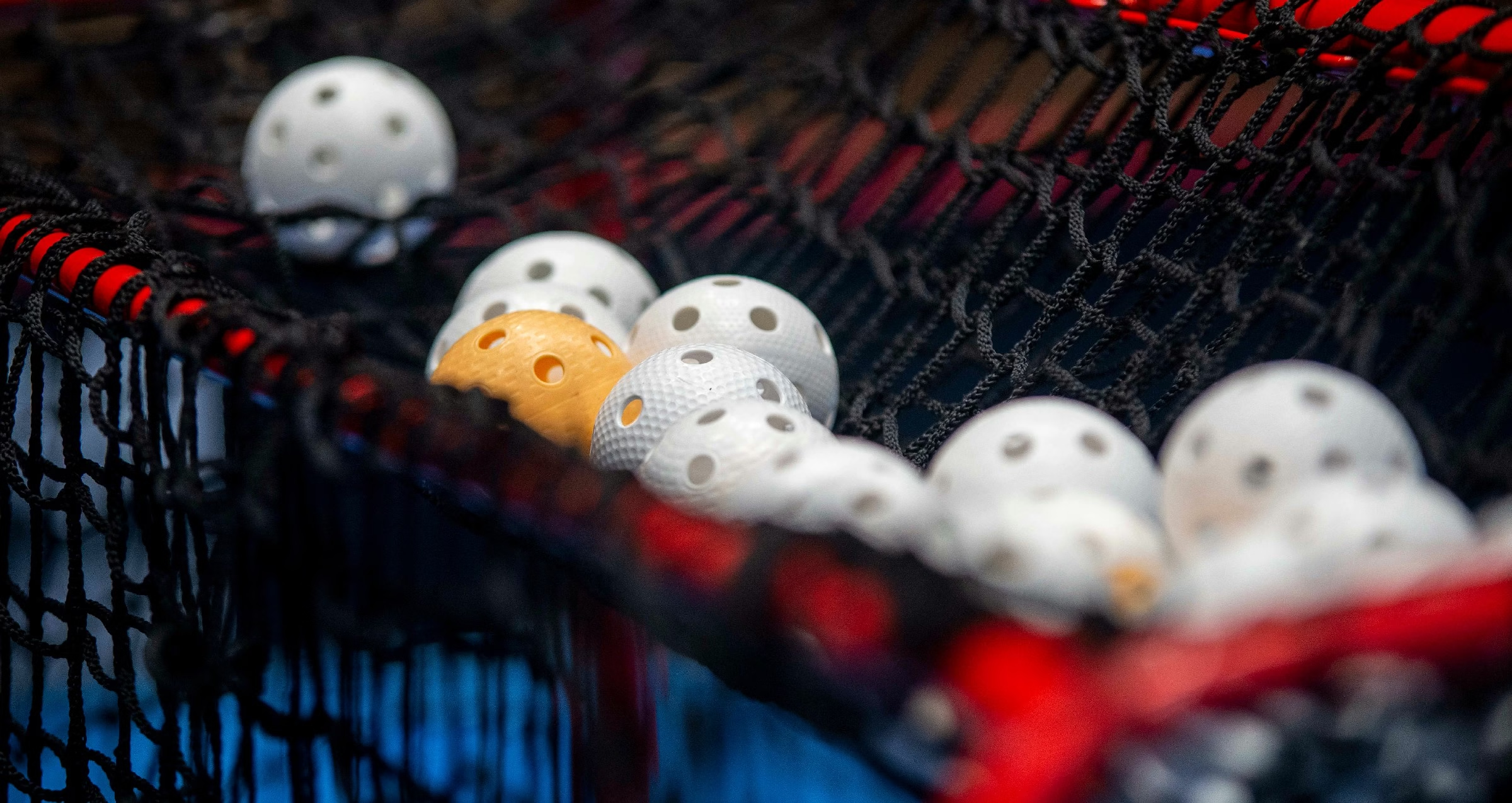
Mastering ball spin in pickleball can elevate your game significantly. To achieve the desired spin, grip the paddle firmly, brush against the ball’s surface at an angle, and follow through your stroke. Practice different spins to keep your opponents guessing!

what is the measurements of a pickleball court
A pickleball court, often likened to a blend of tennis and badminton, measures 20 feet wide and 44 feet long for doubles play. The non-volley zone, or “kitchen,” sits 7 feet from the net on each side, ensuring a unique strategic dynamic.
what’s a lob in pickleball
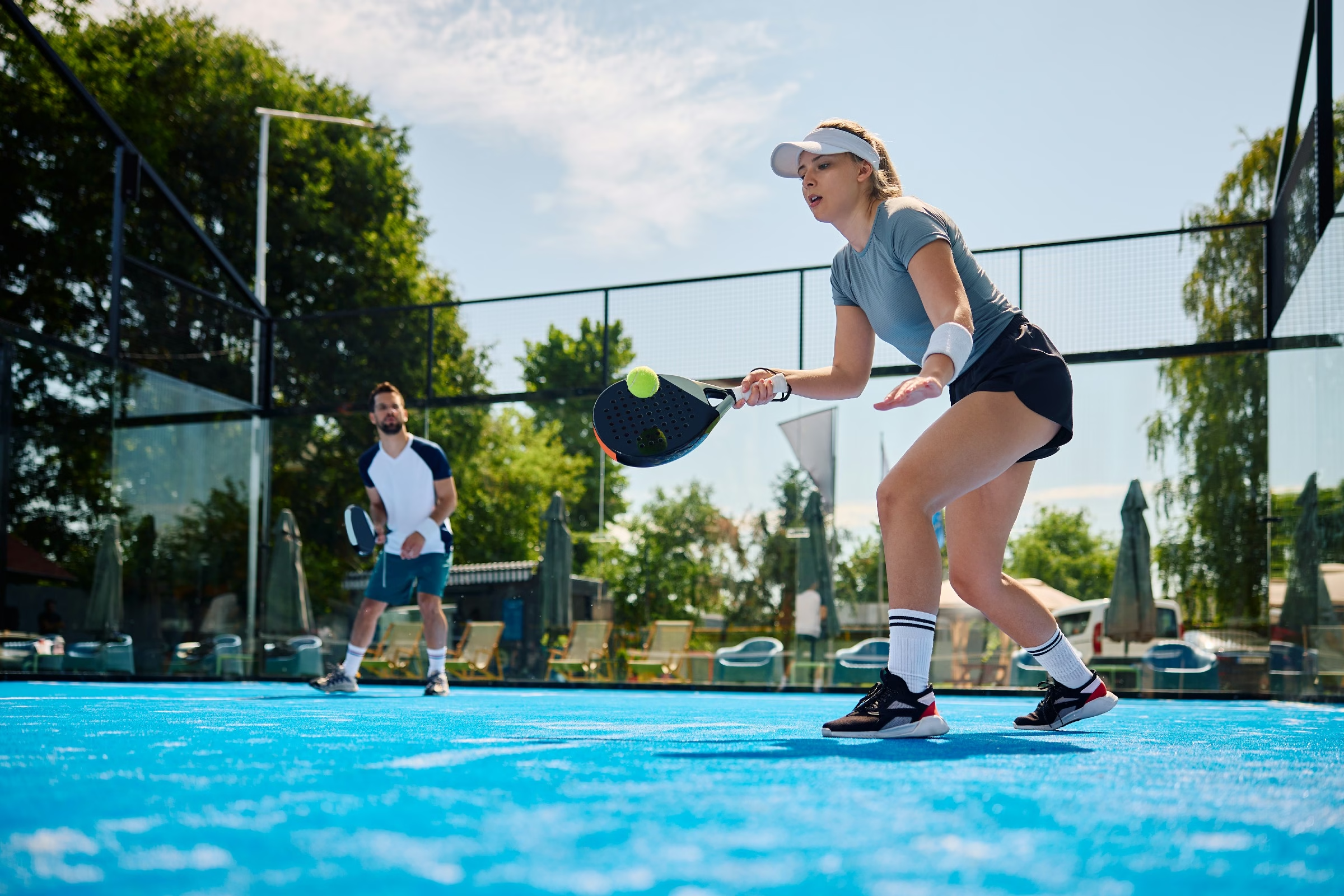
A lob in pickleball is a strategic shot aimed high over your opponent, designed to push them back and create space on the court. By sending the ball soaring, players can change the momentum of the game and set up for the next powerful play.
who won the pickleball challenge
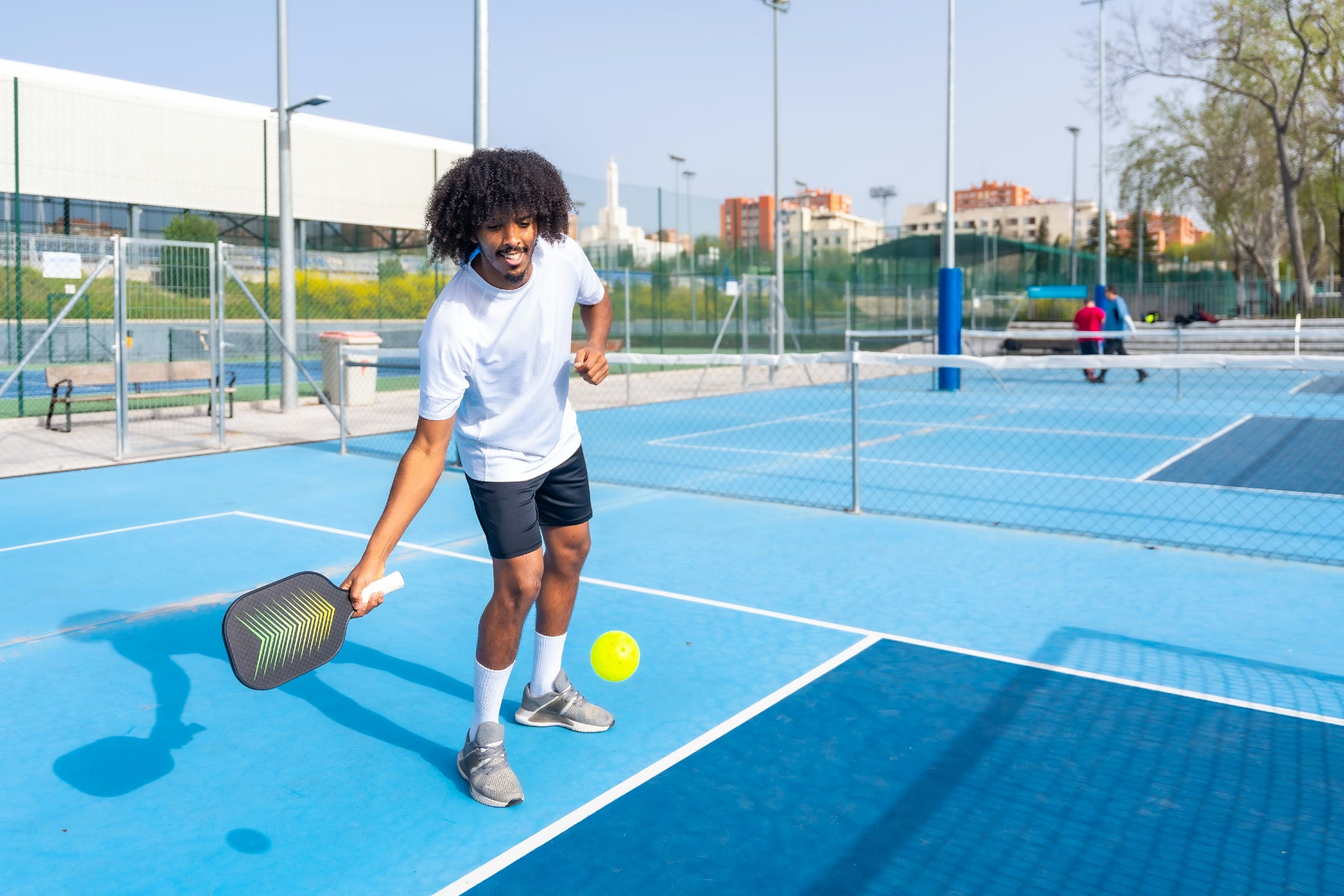
In a thrilling display of skill and strategy, the pickleball challenge concluded with an unexpected twist. Amidst cheers and fierce competition, Sarah Thompson emerged victorious, showcasing her deft volleys and quick footwork. The crowd erupted in applause!
why do they call.it pickleball
The quirky name “pickleball” sparks curiosity, and its origins are as playful as the game itself. Created in 1965, the sport was said to be inspired by the inventor’s dog, Pickles, who would chase the ball. A delightful blend of fun and tradition!
how to know what pickleball level you are
Determining your pickleball level can be as simple as assessing your skills. Consider factors like shot consistency, court positioning, and strategic play. Joining local matches or clinics can provide valuable feedback, helping you align with your true level.
how new is pickleball
Pickleball, often described as a blend of tennis, badminton, and ping pong, has surged in popularity since its creation in 1965. While the sport’s roots are nearly six decades old, its explosive growth in recent years has given it a refreshing newness.

who is in etrade pickleball commercial
In the lively new eTrade pickleball commercial, viewers are introduced to a vibrant cast of characters, including professional players and everyday enthusiasts. Their engaging interactions showcase the sport’s growing popularity and eTrade’s commitment to financial empowerment.

what is the ball in pickleball
The ball in pickleball is a lightweight, plastic sphere adorned with holes, designed for controlled flight and a distinct bounce. Available in vibrant colors, it enhances visibility and adds an element of fun to this energetic paddle sport.

is there a difference between outdoor and indoor pickleballs
When it comes to pickleball, the distinction between outdoor and indoor balls is more than just a matter of where you play. Outdoor balls are thicker, with larger holes for wind resistance, while indoor balls feature a smoother design for better bounce on gym floors. Your game may depend on your choice!
do you have to have 4 people to play pickleball
While pickleball is often played in doubles with four players, it’s not a strict requirement. You can enjoy a game with just two players or even engage in solo practice, making this versatile sport accessible to everyone, regardless of the player count.