
Blog
where and when did pickleball start


In teh realm of recreational sports, few are as delightfully quirky and engaging as pickleball, a game that has captured the hearts of players across generations. But amid the light-hearted paddles and the rhythmic bounce of plastic balls,a question lingers: where and when did this vibrant pastime begin its journey? As we delve into the origins of pickleball,we’ll explore the serendipitous blend of innovation and community spirit that brought this unique sport to life in the mid-1960s. From its playful beginnings in a back garden to its rise as a beloved activity in parks and clubs worldwide, the story of pickleball is one woven into the fabric of American culture, reflecting a timeless pursuit of joy and connection through sport. Join us as we uncover the interesting tale behind pickleball’s inception and its evolution into one of the fastest-growing sports today.
Table of Contents
- Origins of pickleball and Its Humble Beginnings
- The Role of Bainbridge island in Pickleball History
- Key Figures Who Pioneered the Game
- Evolution of Pickleball: From Backyard Fun to Competitive Sport
- Pickleballs Rising Popularity Across the United States
- Exploring the Global Spread of Pickleball: When and Where Next?
- Q&A
- Future Outlook
origins of Pickleball and Its Humble Beginnings
Pickleball emerged in the summer of 1965 on Bainbridge Island, Washington, when three fathers—Joel Pritchard, Bill Bell, and Barney McCallum—sought to entertain thier children. With a complicated game of tennis equipment and too little enthusiasm from the kids, they improvised by utilizing various items they found around them. Using a net, some paddles, and a perforated plastic ball, this spirited trio unknowingly laid the groundwork for a game that would captivate players of all ages.
The name “pickleball” has a whimsical origin. According to folklore, it was derived from Pritchard’s dog, Pickles, who would chase after the balls and hide them in the bushes. Others assert that the term stems from the phrase “pickle boat,” referring to a crew of mixed experience levels, as the game combined elements from badminton, tennis, and ping-pong.Nonetheless of which story holds true, this playful name complements the lighthearted spirit of the sport itself.
Initially played on driveways and backyards, pickleball quickly gained a following. By the mid-1970s, the game had spread beyond Washington, reaching other states and expanding to schools and community centers. Participants were drawn to its accessibility and ease of learning, making it a perfect choice for families and friends. Over the decades, it has transformed from a backyard pastime into a competitive sport enjoyed globally, yet it retains its humble and recreational roots.
The Role of Bainbridge Island in Pickleball History
Bainbridge Island, a charming locale in Washington State, holds a unique place in the annals of pickleball history. In the summer of 1965, three fathers—joel Pritchard, Bill bell, and Barney McCallum—sought to entertain their children on the island’s picturesque grounds. The initial experimentation with various sports equipment ultimately led to the creation of a game that would become a cultural phenomenon. Nestled within this simple familial endeavor, a new sport was born, characterized by its accessibility and enjoyment for all ages.
The early days of pickleball were marked by ingenuity and a commitment to making the game easy to play. The first court was set up in the backyard of Pritchard’s home, utilizing a badminton court and modified rules. Essential elements of pickleball—such as the unique paddle and lightweight plastic ball—were adjusted to cater to the players and, as an inevitable result, they laid the foundation for modern gameplay. This spirit of adaptability and community involvement became a hallmark of the sport’s development.
As word spread about this engaging new activity, Bainbridge Island became a focal point for pickleball enthusiasts.Through the years, the island has hosted numerous tournaments and served as a gathering spot for players looking to hone their skills and enjoy kind competition. Not only has Bainbridge Island contributed to the game’s conception, but it continues to inspire a vibrant community of pickleball lovers, fostering the spirit of this remarkable sport that has now gained global acclaim.
Key figures Who Pioneered the Game
In the mid-1960s, an inventive trio comprising Bill Bell, joel Pritchard, and Bob S. Hodge came together on Bainbridge Island, Washington, to create a fun competitive activity for their families. Initially, the game was a combination of badminton, tennis, and table tennis, designed to keep their children entertained. By repurposing a few pieces of existing equipment, they transformed an ordinary day into the birth of a new sport that would eventually captivate millions.
The first official rules were established in 1965, marking a pivotal moment for the game. This shift was largely influenced by the work of Harry N. E. wenzhen, who helped to formalize the sport further. Harry’s contributions brought more structure to the gameplay,increasing both its appeal and accessibility. the family-friendly atmosphere continued to thrive, and players began to adopt the game as their new pastime, eager to embrace its simple yet engaging nature.
A notable milestone for pickleball was the founding of the USA Pickleball Association (USAPA) in 2005, which helped to propagate the game’s growth at a national level. Key figures like Seema V. V. Ghosh, one of the early advocates, played an instrumental role in promoting pickleball as a serious sport.This development led to the inclusion of the sport in various community centers and schools, making it more popular than ever. Here’s a quick table showcasing some influential milestones:
| Year | Event |
|---|---|
| 1965 | Creation of pickleball by bill Bell, Joel Pritchard, and Bob S. Hodge |
| 1976 | First pickleball rules published |
| 2005 | Formation of the USA Pickleball Association (USAPA) |
Evolution of Pickleball: From Backyard Fun to Competitive Sport
Pickleball’s origins trace back to the summer of 1965,when it was created in Bainbridge Island,Washington,by three friends—Joel Pritchard,Bill Bell,and Barney McCallum. They sought to entertain their families, especially their children, during a warm afternoon. With a mix of badminton, tennis, and table tennis elements, the trio improvised to create a new game that could be enjoyed by players of all ages and skill levels. The name “pickleball” is said to have come either from Pritchard’s dog, Pickles, who would chase after the stray balls, or from a term referring to a combination of different sports, akin to a “pickle boat” in rowing.
As the game gained traction, it underwent a series of adaptations. In 1972, the first official rules were established, setting the foundation for structured play.Over the years, more enthusiasts introduced pickleball to schools and community centers, increasing its accessibility. The 1980s marked a pivotal decade as the first pickleball club was formed in the United States, further solidifying its place as a recreational sport. Consequently, local tournaments began to emerge, attracting a broader crowd and igniting a competitive spirit among players.
The real turning point came in the 21st century, when pickleball transformed from a casual, backyard pastime to a serious, competitive sport recognized nationally and internationally. Factors contributing to this evolution include:
- increased Media Exposure: Major sports networks began to cover pickleball tournaments.
- Organized Events: Establishment of national governing bodies and international competitions.
- Community Engagement: cities and towns constructed dedicated courts to accommodate the growing interest.
Today, with millions of players globally, pickleball continues to flourish, effortlessly maintaining its balance between leisure and competition, all while honoring its humble beginnings on a backyard court.
Pickleballs rising Popularity Across the United States
What started as a backyard pastime in the summer of 1965 has transformed into a nationwide phenomenon. Invented by Joel Pritchard, Bill Bell, and Barney McCallum on Bainbridge Island, Washington, the game emerged as a solution to entertain their families during a leisurely weekend. The trio adapted various elements from existing sports and created a new game that combined aspects of tennis, badminton, and table tennis, thereby paving the way for a unique sport that would eventually captivate the hearts of millions.
As pickleball gained traction, it swiftly spread beyond its origins. Local parks and recreation departments began incorporating courts,and enthusiastic players across the country further contributed to its rise. By the late 1970s, the sport was being formally organized with the establishment of the USA Pickleball Association. This shift from casual play to structured competition played a significant role in bolstering its visibility and appeal, attracting a diverse range of players, from young enthusiasts to retirees looking for a fun and engaging way to stay active.
Today, the accessibility and social nature of pickleball continue to fuel its popularity. Enthusiasts appreciate its low-impact design, making it a suitable activity for various age groups. Several factors contributing to the sport’s current success include:
- Community Engagement: Local leagues and tournaments promote camaraderie among players.
- Affordability: Minimal equipment is required, making it cost-effective for players.
- Inclusive Surroundings: Adaptable to various skill levels, pickleball fosters an inviting atmosphere.
Exploring the Global Spread of Pickleball: When and Where Next?
As the popularity of pickleball surges beyond its humble beginnings, players around the globe are eagerly discovering the joys of this engaging sport. Originating in 1965 on Bainbridge Island, Washington, its founders—Joel Pritchard, Bill Bell, and Barney McCallum—created the game as a fun activity for their families. Since then, it has blossomed into a mainstream phenomenon, with millions of participants across various age groups. The rapid expansion of pickleball is staggering, with more than 36 countries now active in promoting and playing the sport.
Recent developments indicate that pickleball’s reach is set to grow even further. A few key countries recognized for their increasing interest in the game include:
- Canada: The sport has a dedicated following, with new courts and clubs sprouting up across provinces.
- Australia: With a focus on community play, residents are flocking to pickleball to stay active and socialize.
- Spain: The rise of international tournaments is helping to ignite enthusiasm for pickleball among locals.
According to trends observed in several regions, the patterns of adaptation and competition are clear. The International Pickleball Federation (IPF) has begun organizing tournaments in these emerging markets, paving the way for a more structured growth. An overview of notable tournament locales shows that the sport embraces diverse cultural settings:
| Location | Upcoming Event | Date |
|---|---|---|
| Toronto, Canada | Ontario Open | June 15-17, 2024 |
| Sydney, Australia | aussie Pickleball Open | August 10-12, 2024 |
| Barcelona, Spain | Barcelona Cup | September 5-7, 2024 |
Q&A
Q&A: The Origins of Pickleball
Q: What is pickleball, and how did it get its name?
A: Pickleball is a paddle sport that combines elements of tennis, badminton, and table tennis. It was invented in the mid-1960s on Bainbridge Island, Washington, by three fathers—Joel Pritchard, bill Bell, and Barney McCallum—who were searching for a fun game to entertain their children. As for the name, it is indeed widely believed to be inspired by a family dog named Pickles, who would chase after the errant balls during the game. Some argue that “pickle boat,” referring to a crew made up of leftover players from other teams, was the true inspiration, but the dog story is more widely shared.
Q: When and where exactly did pickleball originate?
A: Pickleball was created in 1965 on Bainbridge Island, which is located just off the coast of Washington State. The game evolved as the fathers modified existing games to suit their family’s needs, eventually leading to a unique sport of its own. The initial setup was simple: they used a badminton court, improvised paddles from wood, and a perforated plastic ball.
Q: How did pickleball grow from its humble beginnings?
A: Slowly but surely! The 1970s saw the game begin to spread beyond Bainbridge Island. In 1972, the first official rulebook was established, and the sport caught the attention of others in the Pacific Northwest. By the late 1970s and early 1980s, tournaments and exhibitions began to emerge, helping to increase its popularity. The establishment of the USA Pickleball Association in 2005 acted as a significant catalyst for organized play and further expansion of the sport nationwide.
Q: What factors contributed to the sport’s popularity today?
A: Several factors have contributed to the surge in pickleball’s popularity. Its accessibility is a significant aspect; the game can be played by people of all ages and skill levels, and it requires less physical exertion than some traditional racquet sports. Furthermore, the rise of community courts and social leagues has made it easy for enthusiasts to find places to play. As an inevitable result, pickleball has transitioned from a simple backyard pastime to a mainstream sport enjoyed globally.
Q: Is pickleball recognized as a professional sport?
A: Yes! In recent years, pickleball has gained recognition on a professional level. various leagues and tournaments, including the Professional Pickleball Association (PPA) and the Association of Pickleball Professionals (APP), have emerged, offering substantial prize purses and attracting top-tier athletes. The sport has also been included in events like the World Pickleball Championship, further solidifying its professional status.
Q: Where can someone find a place to play pickleball today?
A: Almost everywhere! Pickleball has exploded in popularity, with many community centers, gyms, and parks across the United states offering dedicated pickleball courts. In addition, several organizations and clubs cater specifically to pickleball, providing a welcoming environment for players of all levels. You can also find many online resources and directories that can definitely help you locate local facilities.
Q: What’s next for pickleball?
A: The future looks shining for pickleball. With its growing popularity, we can anticipate further development of facilities, increased media coverage, and perhaps, even a push for inclusion in the Olympic Games. The community surrounding pickleball is passionate and welcoming, ensuring that its roots remain strong as it continues to expand its reach. So, whether you’re a novice or a seasoned player, there has never been a better time to join the pickleball movement!
future Outlook
as we paddle through the rich history of pickleball, it becomes clear that this vibrant sport is much more than just a game; it’s a collective experience that has evolved through the contributions of enthusiastic players and innovators. From its humble beginnings in 1965 on Bainbridge Island, Washington, to its rapid ascent into a global pastime, pickleball has woven itself into the fabric of communities around the world. Each court serves as a stage where friendships are forged, skills are honed, and generations come together, united by the simple joy of play.
As we look ahead, the future of pickleball is bright, promising new chapters that will undoubtedly enrich its story. Whether you’re a seasoned player or a curious newcomer, the spirit of pickleball invites everyone to pick up a paddle, join in the fun, and perhaps, contribute to the narrative of this beloved sport in your own way. After all, in pickleball, the game may begin at the baseline, but the journey truly starts when we step onto the court together.
Related Posts
don woodfield pickleball pinehurst resort
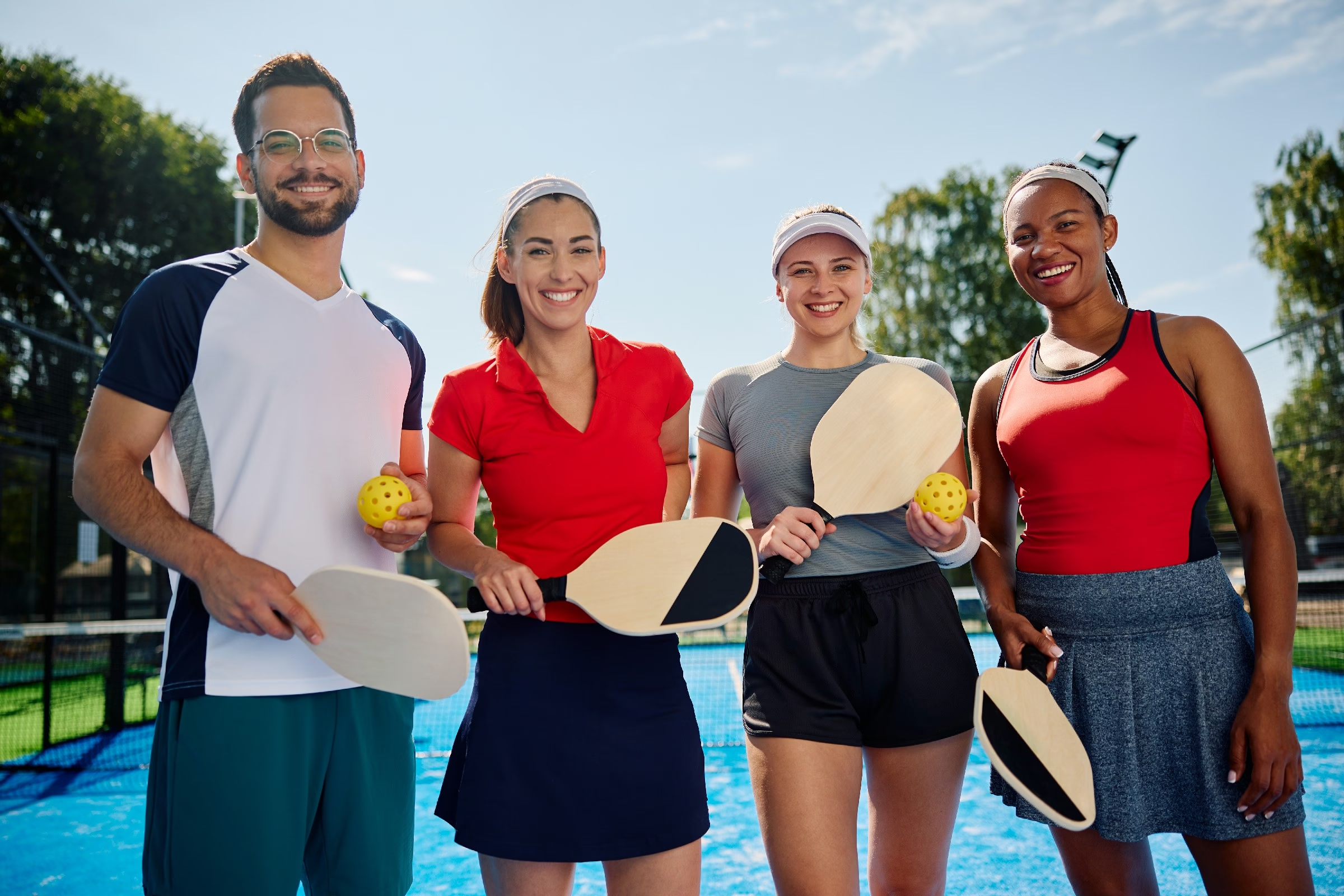
At Pinehurst Resort, Don Woodfield brings the energetic spirit of pickleball to life. Nestled amidst scenic landscapes, his passion for the game fosters a vibrant community where players of all levels can sharpen their skills and enjoy friendly competition.
how to spin the ball for pickleball
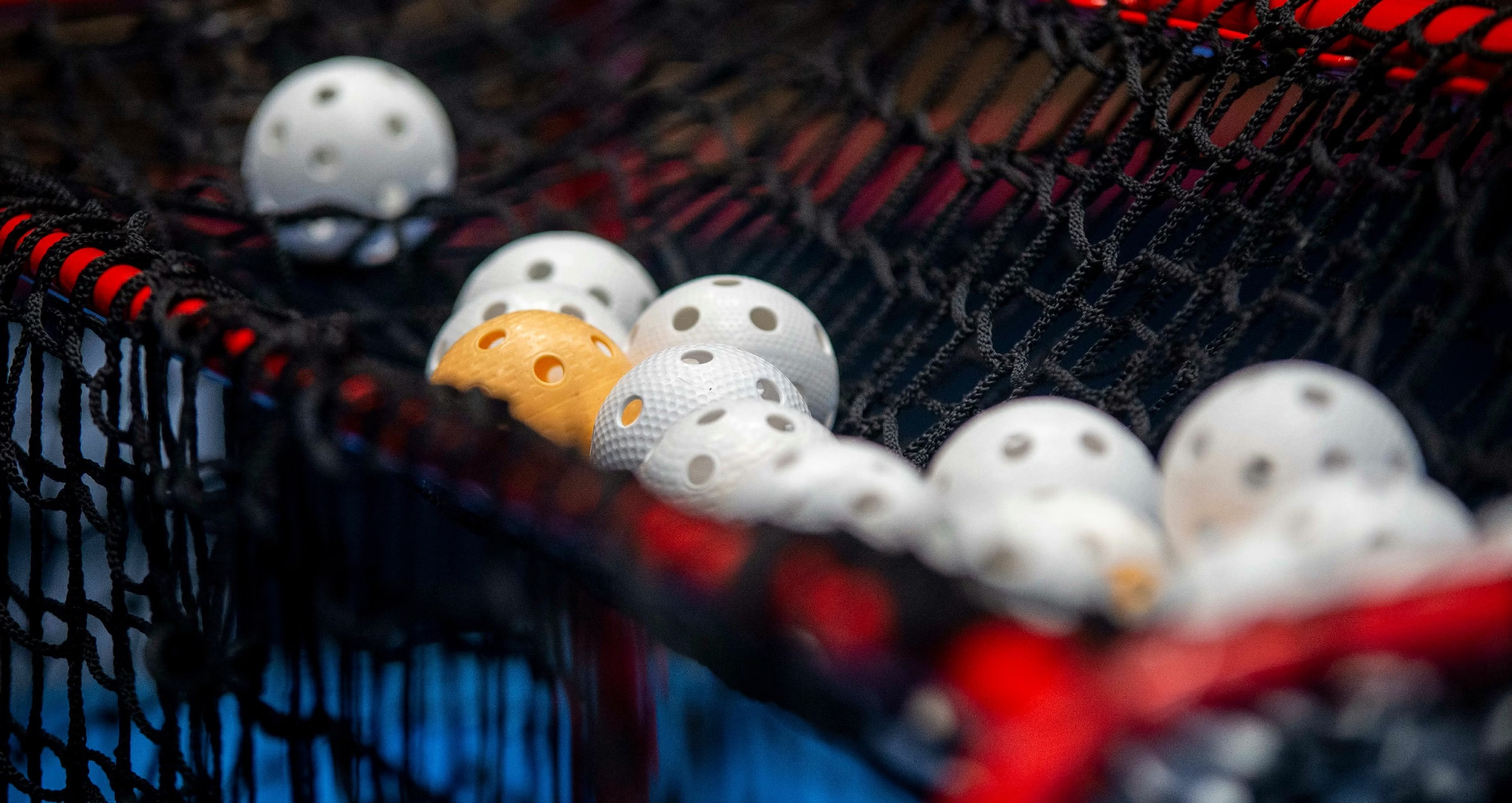
Mastering ball spin in pickleball can elevate your game significantly. To achieve the desired spin, grip the paddle firmly, brush against the ball’s surface at an angle, and follow through your stroke. Practice different spins to keep your opponents guessing!

what is the measurements of a pickleball court
A pickleball court, often likened to a blend of tennis and badminton, measures 20 feet wide and 44 feet long for doubles play. The non-volley zone, or “kitchen,” sits 7 feet from the net on each side, ensuring a unique strategic dynamic.
what’s a lob in pickleball
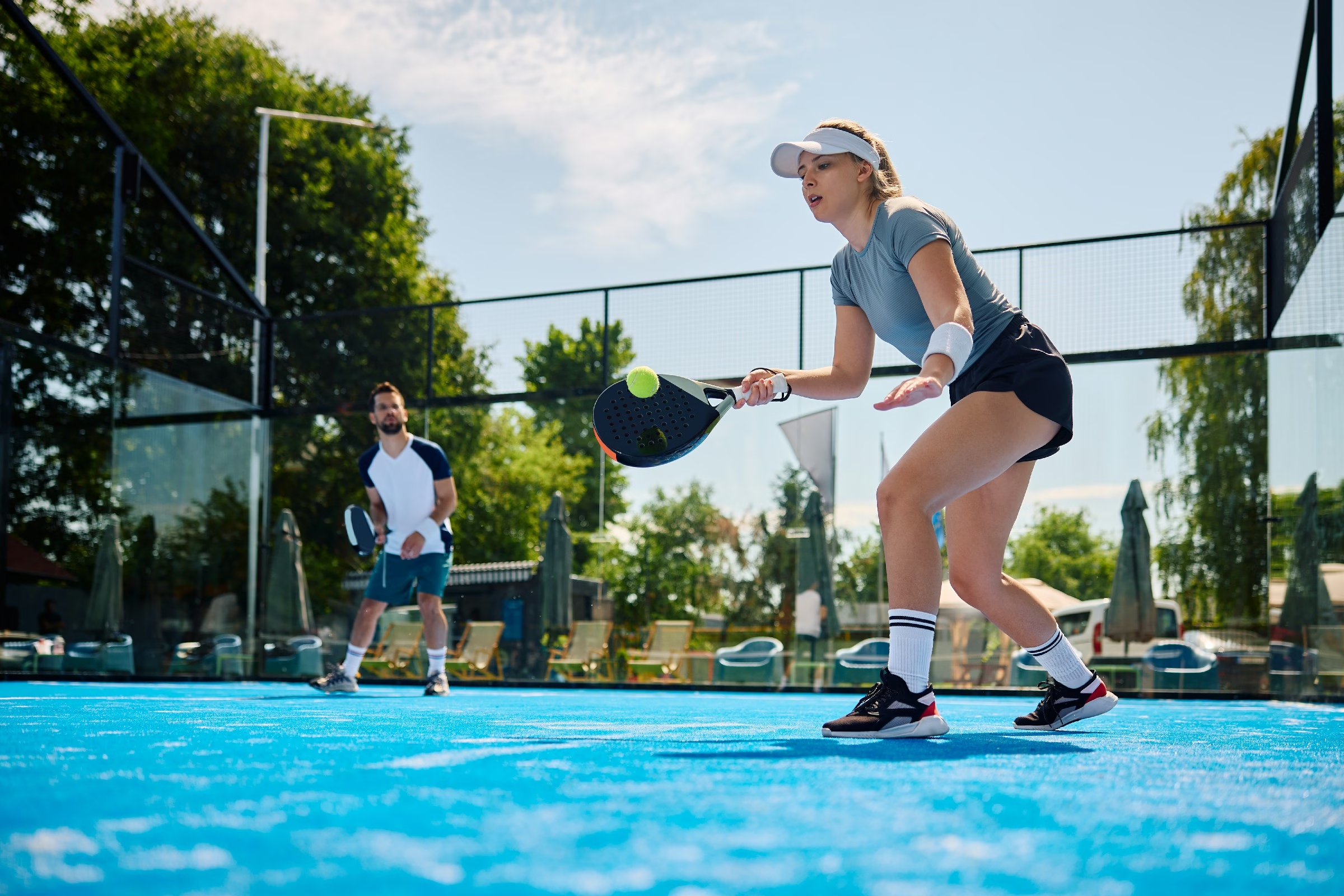
A lob in pickleball is a strategic shot aimed high over your opponent, designed to push them back and create space on the court. By sending the ball soaring, players can change the momentum of the game and set up for the next powerful play.
who won the pickleball challenge
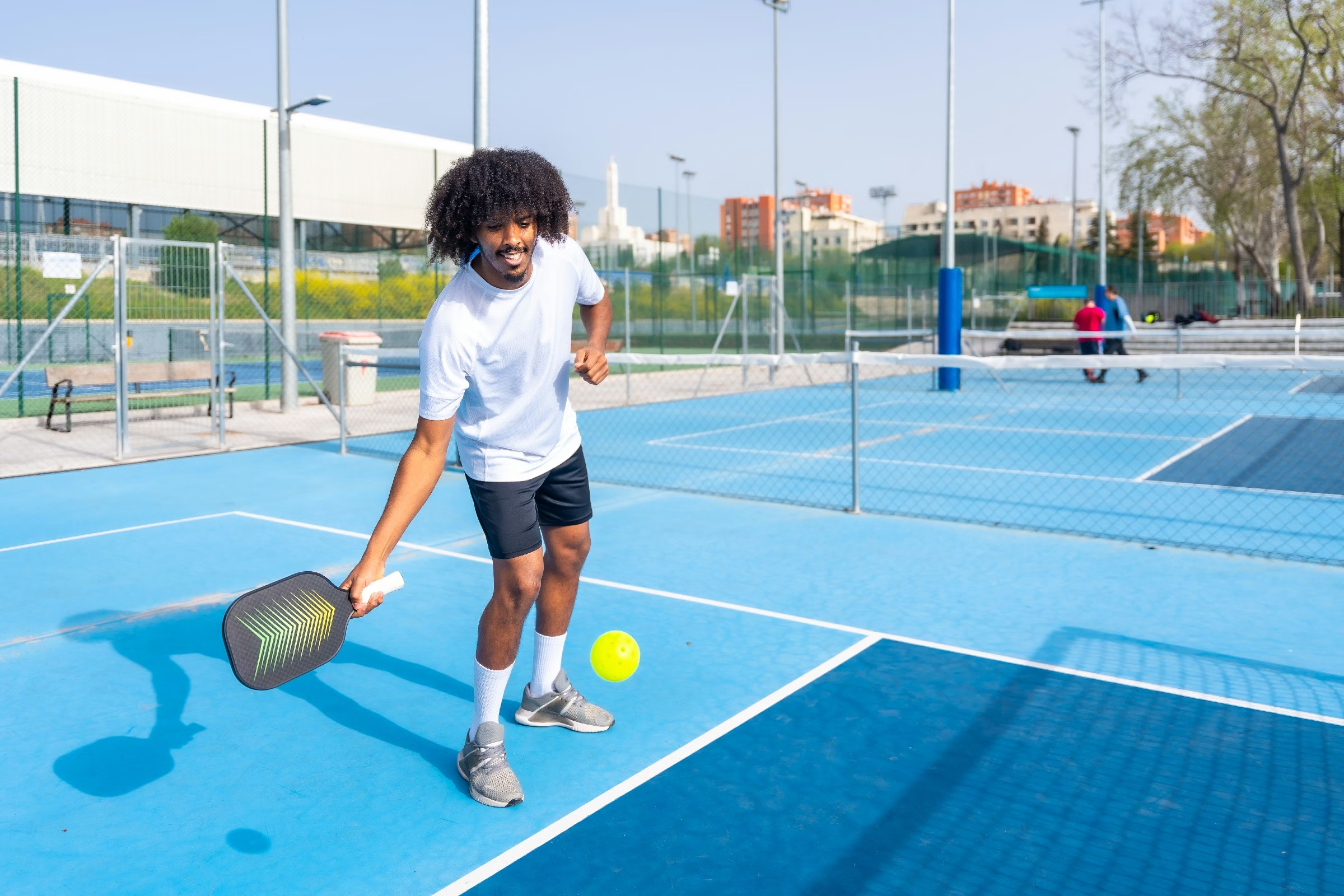
In a thrilling display of skill and strategy, the pickleball challenge concluded with an unexpected twist. Amidst cheers and fierce competition, Sarah Thompson emerged victorious, showcasing her deft volleys and quick footwork. The crowd erupted in applause!
why do they call.it pickleball
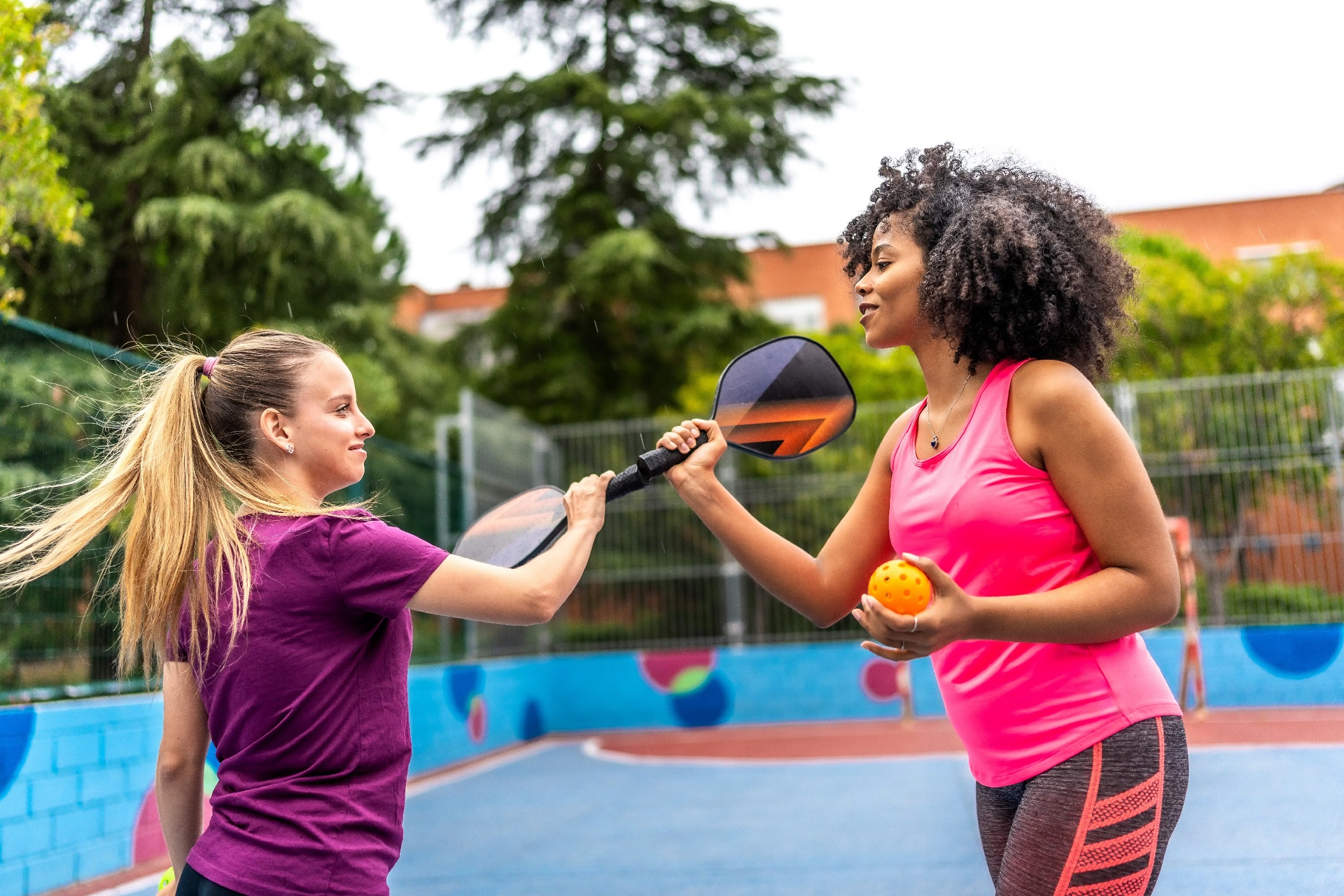
The quirky name “pickleball” sparks curiosity, and its origins are as playful as the game itself. Created in 1965, the sport was said to be inspired by the inventor’s dog, Pickles, who would chase the ball. A delightful blend of fun and tradition!
how to know what pickleball level you are
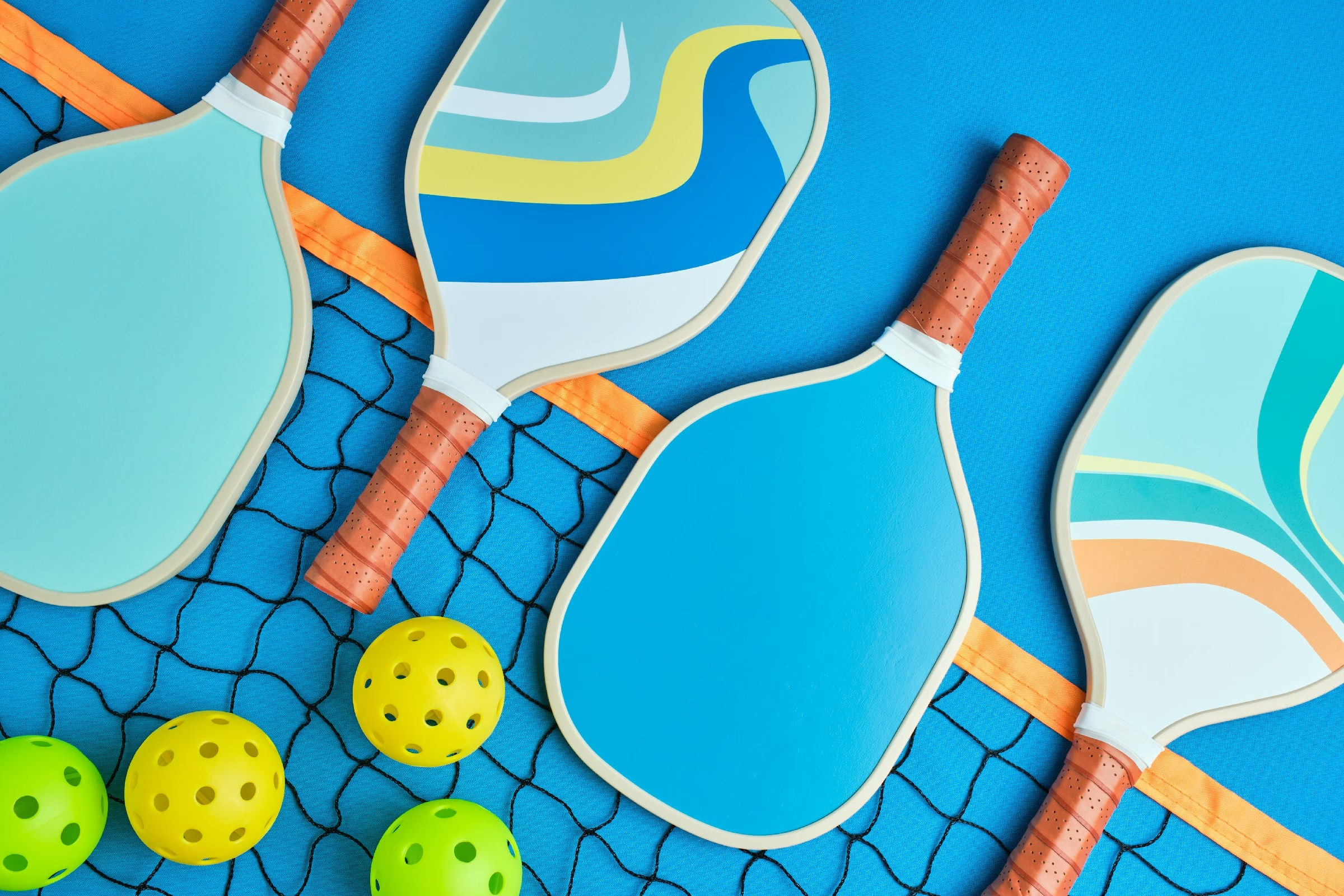
Determining your pickleball level can be as simple as assessing your skills. Consider factors like shot consistency, court positioning, and strategic play. Joining local matches or clinics can provide valuable feedback, helping you align with your true level.
how new is pickleball
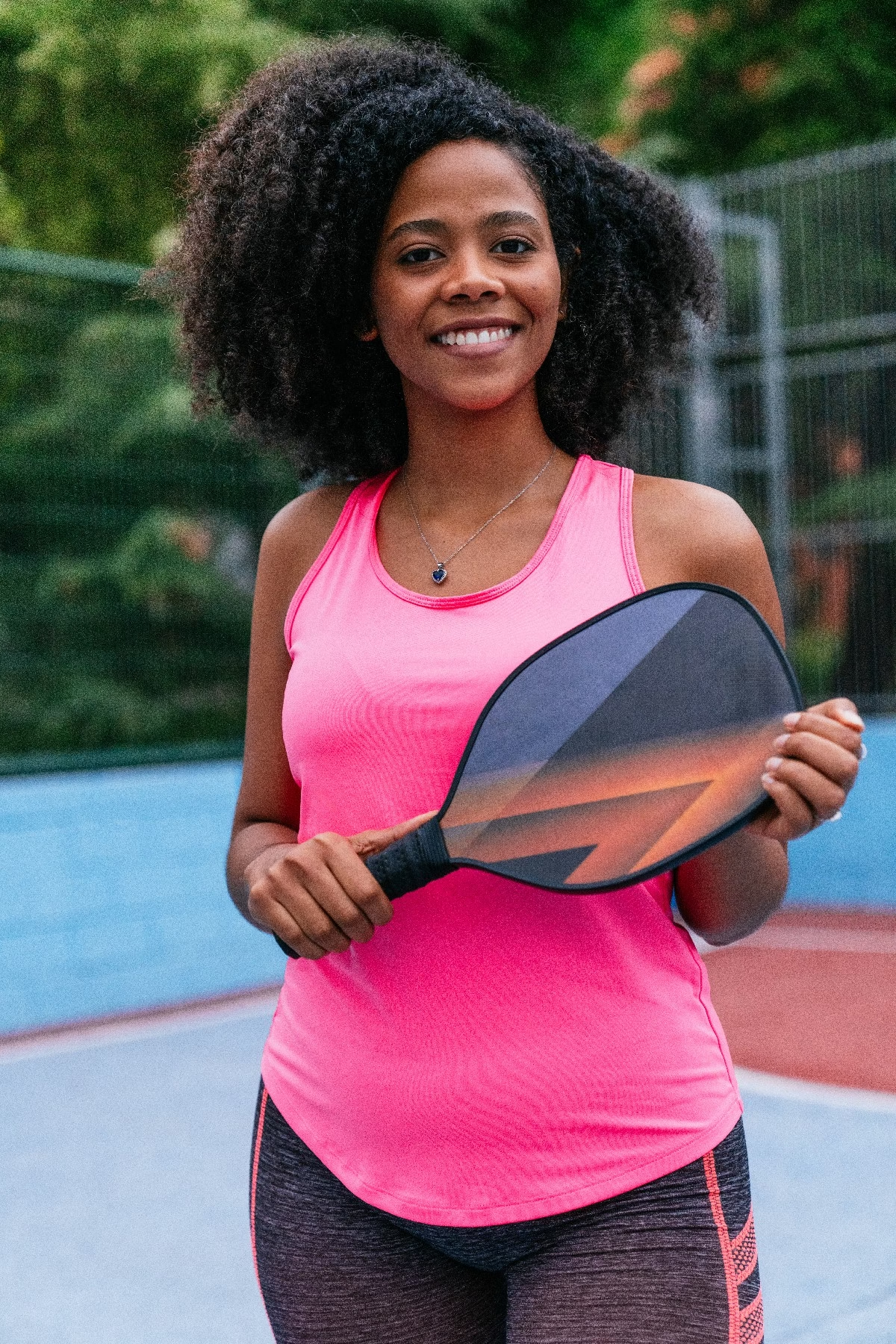
Pickleball, often described as a blend of tennis, badminton, and ping pong, has surged in popularity since its creation in 1965. While the sport’s roots are nearly six decades old, its explosive growth in recent years has given it a refreshing newness.

who is in etrade pickleball commercial
In the lively new eTrade pickleball commercial, viewers are introduced to a vibrant cast of characters, including professional players and everyday enthusiasts. Their engaging interactions showcase the sport’s growing popularity and eTrade’s commitment to financial empowerment.

what is the ball in pickleball
The ball in pickleball is a lightweight, plastic sphere adorned with holes, designed for controlled flight and a distinct bounce. Available in vibrant colors, it enhances visibility and adds an element of fun to this energetic paddle sport.

is there a difference between outdoor and indoor pickleballs
When it comes to pickleball, the distinction between outdoor and indoor balls is more than just a matter of where you play. Outdoor balls are thicker, with larger holes for wind resistance, while indoor balls feature a smoother design for better bounce on gym floors. Your game may depend on your choice!
do you have to have 4 people to play pickleball
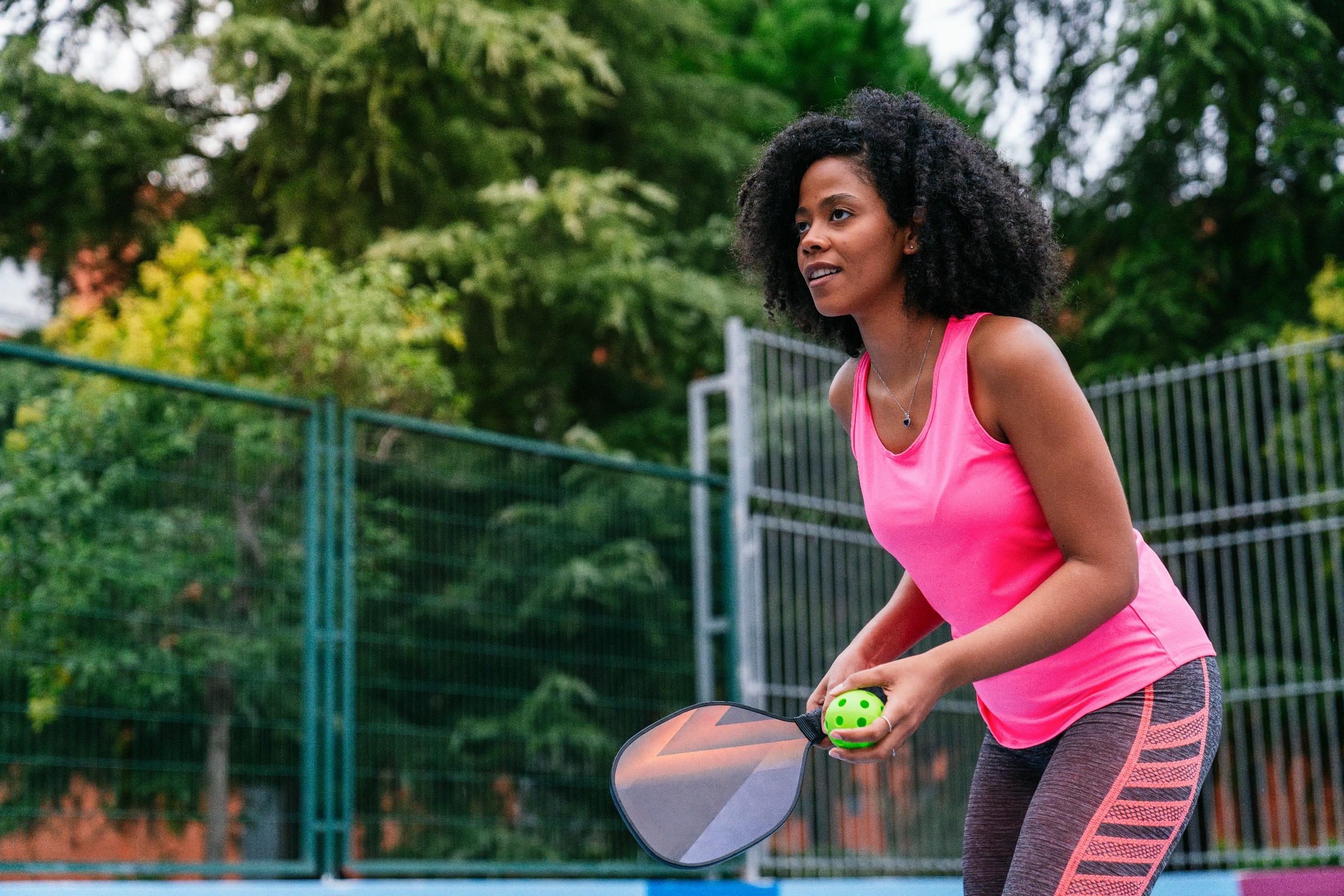
While pickleball is often played in doubles with four players, it’s not a strict requirement. You can enjoy a game with just two players or even engage in solo practice, making this versatile sport accessible to everyone, regardless of the player count.